You’ve planned the shoot. The model is booked, the products are ready, the shot list is done. Now you need a place to actually take the pictures, and suddenly there are dozens of studios to pick from.
Some look great on Instagram. Some have the lowest hourly price. Some are close to your home. But the best photography studio for rent in Bangalore isn’t the cheapest or the prettiest one. It’s the one that fits your shoot.
Pick wrong, and you could lose hours to bad lighting, no parking, a noisy neighbourhood, or equipment that isn’t included. Pick right, and the whole day runs smoothly. This guide walks you through exactly what to look for, what to ask, and what to avoid.
Why Rent a Studio Instead of Shooting at Home or on Location?
Before comparing studios, it helps to know why renting makes sense.
- Controlled lighting. Daylight changes through the day. A studio lets you shoot at any hour with consistent results.
- Space. Homes and offices are rarely big enough for models, a team, and equipment.
- Backdrops and setups. Clean backgrounds, colour paper, and cycloramas are ready to use.
- Professional equipment. Lights, stands, softboxes, and modifiers are often included or available.
- No clean-up or damage worries. You don’t have to rearrange your living room or risk a client’s furniture.
- Privacy and focus. Your team can work without interruptions.
For product photography, portraits, fashion, e-commerce, headshots, brand shoots, and content creation, a rented studio often saves more time and trouble than it costs.
Step 1: Know What You’re Shooting
Different shoots need different studios. Before you start calling around, be clear about your requirements.
- Product photography: Small to medium space, tabletop setups, white backgrounds, good continuous or strobe lighting.
- E-commerce and fashion: Larger space, backdrops, rails, mirrors, changing room, and space for models.
- Portraits and headshots: Soft, flattering light, simple backdrops, comfortable setup for the subject.
- Family or maternity shoots: A welcoming space with props, seating, and a relaxed feel.
- Content and social media shoots: Flexible layouts, multiple sets, and good lighting for both photos and video.
- Video, podcasts, and interviews: Sound control and camera-friendly lighting matter as much as the visuals.
Write down your shoot type, the number of people, the amount of equipment, and how many hours you need. This makes it much easier to compare studios fairly.
Step 2: Check the Location and Access
In Bangalore, location is a serious practical issue. Traffic can add hours to your day, and a studio that looks perfect on paper can become a headache if reaching it is a struggle.
Ask yourself:
- Is it close to your team, clients, or models? A central or well-connected location makes scheduling easier.
- Is there parking? For team members, clients, and vehicles carrying equipment, this matters a lot.
- Is loading easy? Check for a lift or ground-floor access if you’re carrying heavy gear, props, or large products.
- Is it easy to find? Clear directions and a visible entrance save time on the day.
- Is the area safe and comfortable? Especially if you have early or late slots and models travelling alone.
If you’re booking regularly, a studio in an area with good connectivity, such as Kasturi Nagar, which is convenient for many parts of the city, can make repeated bookings far more practical.
Step 3: Look at the Space Itself
Photos and virtual tours help, but understand what you’re actually getting.
Size and Layout
Check the floor area and how much of it is truly usable. A studio that fits two people comfortably might feel cramped with a full team, a model, and equipment.
Ceiling Height
Ceiling height affects how you place lights and how much distance you can create between subject and background. Low ceilings can limit overhead lighting, boom stands, and full-length fashion shots.
Backdrops and Cyclorama
Ask what backgrounds are available. A white or grey wall, a cyclorama (a curved backdrop with no visible corners), paper rolls, and textured walls give you more creative options. Check whether you can bring your own backdrops too.
Natural Light
Some studios offer natural light, which is lovely for portraits and lifestyle shoots. Others block it completely for full control. Neither is better. It depends on your shoot. Ask whether you can control it with curtains or blackout options.
Cleanliness and Condition
Scuffed floors, dusty corners, and stained backdrops show up in photos. Walk through the space and look closely. A well-kept studio tells you the owners care about their clients.
Step 4: Review the Lighting and Equipment
This is where studios differ most, and where hidden costs often appear.
Ask what’s included in the booking price:
- Strobes and flash heads, and how many
- Continuous lights, especially if you shoot video as well
- Softboxes, umbrellas, reflectors, and diffusers
- Light stands, boom arms, and c-stands
- Backdrop stands and paper rolls
- Tripods and tables for product shoots
- Props and furniture, such as stools, chairs, or sofas
Also ask about the condition of the equipment, whether it’s tested and maintained, and what happens if something fails during your shoot.
If you don’t own equipment, a “plug and play” studio, where lights, backdrops, and setups are ready when you arrive, can be a big time saver. You walk in with your camera and models, and you’re ready to shoot.
If you bring your own gear, confirm that you can set it up freely and that power outlets are enough.
Step 5: Think About Comfort and Facilities
A long shoot can be exhausting. Small details make a big difference to the team’s energy and the results.
- Air conditioning. Bangalore weather varies, and shooting under hot lights without cooling is uncomfortable for models and crew.
- Power backup. Power cuts in the middle of a shoot are costly. Ask about backup power.
- Changing room and mirror. Essential for fashion, portrait, and model shoots.
- Makeup area. Good lighting and a place to sit make a difference.
- Restrooms. Clean, accessible restrooms matter, especially for long bookings.
- Seating and waiting area. Useful if clients or brand representatives are attending.
- Wi-Fi. Helpful for tethered shooting, client approvals, and uploading files.
- Drinking water and refreshments. A simple convenience that keeps people comfortable.
Step 6: Understand Pricing Before You Book
Studios usually offer hourly, half-day, and full-day options. Compare the details, not just the headline number.
Questions to ask:
- What’s the minimum booking time? Some studios require a two or three hour minimum.
- Is setup and pack-up time included? Many shoots lose an hour to these tasks.
- What’s included in the price? Lights, backdrops, and furniture may be extra.
- Are there charges for extra people? Some studios charge more for larger crews.
- Is there an overtime fee? Know the policy in advance.
- Are taxes included? GST can change the final bill.
- What’s the cancellation and rescheduling policy? Shoots get delayed, and flexible policies save money.
- Do you offer discounts for regular bookings? Photographers and brands who shoot often can usually negotiate.
The cheapest price isn’t always the best value. A slightly more expensive studio with proper equipment and a good setup can be cheaper than a basic one where you spend extra on rentals and wasted hours.
Step 7: Check Booking Flexibility and Availability
A good studio should make booking simple.
- Can you check availability easily?
- Do they offer hourly, half-day, and full-day slots?
- Are weekend and early-morning slots available?
- How quickly do they respond to enquiries?
- Is there a clear confirmation and payment process?
Fast, clear communication before the booking usually reflects how the studio will treat you on the day.
Step 8: Look at Reviews, Portfolio, and Reputation
Real feedback tells you what brochures don’t.
- Read Google reviews and look for comments on cleanliness, equipment, staff, and flexibility.
- Check photos of past shoots done at the studio, not just promotional images.
- Look at the Google Business Profile for recent photos and updated information.
- Ask other photographers or creators in Bangalore for recommendations.
- Notice how the studio handles problems. Thoughtful replies to negative reviews are a good sign.
Step 9: Visit in Person Before You Commit
If you can, visit before booking, especially for large or important shoots. A short visit lets you:
- Check the real size and condition of the space
- See the equipment first-hand
- Test the light quality at your usual shoot time
- Meet the team and ask questions
- Confirm parking, access, and noise levels
- Take a few test shots
If a visit isn’t possible, ask for a live video walkthrough. A studio that welcomes this is confident in what it offers.
Red Flags to Watch For
- Photos that look very different from the space in reality
- Vague answers about what’s included
- No clear pricing or hidden extra charges
- Poor or no response to your questions
- Old, worn-out, or poorly maintained equipment
- No backup plan for power or equipment failure
- Overly restrictive rules that limit your creativity
- A noisy environment that disrupts shoots or recordings
A Simple Checklist Before You Book
- Space suits my shoot type and team size
- Location and parking are convenient
- Lighting and equipment are included or available
- Backdrops fit my needs
- Air conditioning and power backup are available
- Changing room and restroom facilities are ready
- Prices, timings, and extras are clear in writing
- Reviews and past work look credible
- I’ve visited or seen a video walkthrough
- Cancellation and rescheduling terms are fair
Tips to Get the Most From Your Studio Booking
- Plan your shot list in advance. Studio time is expensive, so know exactly what you need.
- Arrive early. Use the first part of the booking to set up, not to figure out what you need.
- Share your requirements beforehand. Tell the studio about your equipment, props, and team so they can prepare.
- Book a bit more time than you think you need. Rushed shoots rarely turn out well.
- Bring backups. Extra batteries, memory cards, and clamps save the day.
- Test lighting before the model arrives. This keeps the shoot efficient and the model comfortable.
- Respect the space. Careful handling builds a good relationship and often leads to better deals later.
Looking for a Photography Studio for Rent in Bangalore?
At ShootOnRent, we make studio booking simple, with ready-to-use setups for photographers, brands, creators, and content teams across Bangalore. Whether you’re shooting products, portraits, fashion, or content, you can walk in, set up, and focus on your creative work. Visit shootonrent.com to explore our studios, check availability, and book your next shoot.
Frequently Asked Questions
How do I choose the best photography studio for rent in Bangalore?
Start by defining your shoot type, team size, and budget. Then compare studios on location, space, lighting, equipment, facilities, prices, and reviews. If possible, visit in person before booking.
How much does it cost to rent a photography studio in Bangalore?
Prices vary depending on the studio’s size, location, equipment, and the time you need. Most studios offer hourly, half-day, and full-day options. Always confirm what’s included and whether taxes and extras apply.
Is it better to rent a studio by the hour or for the full day?
Hourly rentals suit short shoots like headshots or small product batches. Half-day and full-day rentals usually offer better value for larger productions, multiple setups, or shoots with several models.
What should be included in a photography studio rental?
This varies, but common inclusions are lighting, backdrops, stands, basic furniture, air conditioning, and a changing area. Always ask for a written list so there are no surprises.
Can I bring my own equipment to a rented studio?
Most studios allow it, but confirm in advance. Check the policies on setup, power use, and any additional charges for outside equipment.
What is a plug and play studio?
It’s a studio where lighting, backdrops, and other essentials are already set up and ready to use, so you can start shooting as soon as you arrive. It saves setup time and the cost of owning or renting equipment separately.
Do I need to visit the studio before booking?
It isn’t compulsory, but it’s strongly recommended for larger or important shoots. A visit or live video walkthrough lets you confirm the space, equipment, and light quality.
How far in advance should I book a studio?
Popular studios fill up quickly, especially on weekends. Booking a few days to a couple of weeks ahead is a good habit, and earlier for large productions.
Can I cancel or reschedule a studio booking?
Policies differ from studio to studio. Ask about cancellation windows, fees, and rescheduling options before you pay.
What type of studio is best for product photography?
Look for a clean, controlled space with good lighting, a table or tabletop setup, plain backdrops, and enough room to move around your products. Easy loading access also helps with bulk shoots.
Final Thoughts
Choosing a photography studio for rent in Bangalore doesn’t have to be stressful. Start with your shoot’s needs, then check the practical details: location, space, lighting, equipment, comfort, and prices. Read reviews, ask questions, and see the space before you commit.
The right studio won’t just give you a backdrop and a few lights. It’ll give you a smooth, comfortable shoot where you can focus on the work that matters, creating great images.
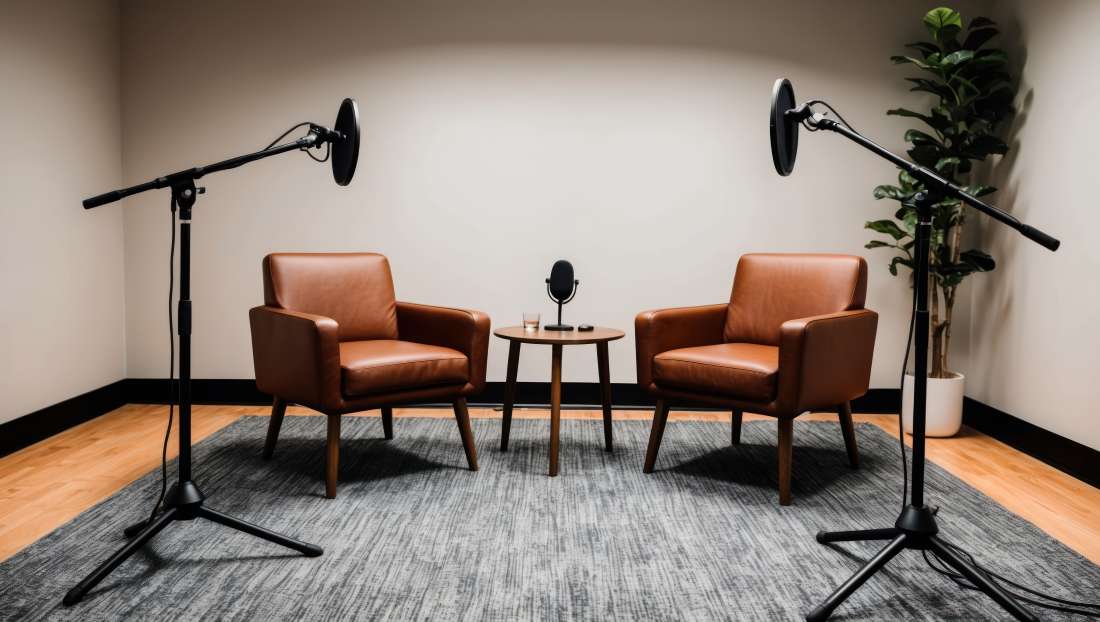
Sajil is a content and creative industry professional with expertise in video production, photography, podcasting, and content creation. With practical knowledge of studio production and creative workflows, Sajil shares useful insights to help creators and businesses make informed decisions.