Here’s something most creators won’t tell you: the majority of YouTube videos that flop were already failing hours before anyone pressed record.
The camera wasn’t the problem. The editing wasn’t the problem. The lighting wasn’t the problem.
The failure started much earlier, in the planning phase, or the lack of one. And if you’re putting out videos that aren’t getting the traction you expected, chances are the real issue isn’t what’s happening in front of the camera. It’s everything that should have happened before you walked into that room.
Let’s break it down.
No Clear Answer to “Why Would Anyone Watch This?”
Most creators start with what they want to say. The successful ones start with why anyone would want to hear it.
YouTube isn’t just a video platform. It’s essentially the world’s second largest search engine, and people come to it with specific questions, specific problems, and specific things they’re trying to learn or feel. If your video doesn’t serve a clear need, the algorithm has no one to serve it to.
Before you even think about scripting or shooting, ask yourself one honest question: who is this video for, and what problem does it solve for them? If you can’t answer that cleanly and specifically, your video is going to struggle no matter how well it’s shot.
Vague ideas like “I’ll talk about fitness” or “I’ll make a business video” aren’t concepts. They’re categories. You need to drill down to something your ideal viewer would actively search for.
Skipping the Script (or Not Preparing One at All)
Walking into a shoot and figuring it out as you go is one of the fastest ways to waste a recording session. Most creators who do this end up with thirty minutes of footage for a five-minute video, filled with fillers, repeated points, and dead air where their thoughts ran out.
Your script doesn’t need to be a word-for-word read. It just needs to be a clear structure:
- A hook that earns the viewer’s attention in the first 10–15 seconds
- A clear promise of what they’ll get by staying till the end
- The main content, organized so it flows logically
- A close that tells viewers what to do next
Even a rough bullet-point outline covers these bases. Without it, you’re improvising in front of a camera — and it almost always shows.
A Weak Hook — Before a Single Frame Is Shot
The hook isn’t just the first few seconds of your video. The hook starts with your title and thumbnail.
Think about how people actually find videos. They scroll. They glance at a thumbnail for half a second. They read a title. And they either click, or they don’t.
If your title and thumbnail don’t do their job, it doesn’t matter how good the video is. Nobody will ever watch it.
Yet most creators plan these last, almost as an afterthought. They finish recording, realize they need a thumbnail, throw something together, and write a title that basically just describes what they filmed.
A title should sell an outcome, not summarize content. A thumbnail should trigger curiosity, not just look good. Both of these need real thought, ideally before you even start shooting, because the clearer you are on your hook, the better your script and delivery become as a result.
No Content Plan, No Consistency
One video isn’t a YouTube channel. A channel is a library of content built over time, which means you need to know not just what you’re making today, but what you’re making next week and the week after.
Creators who don’t plan ahead tend to upload in bursts followed by long silences. This kills growth in two ways. First, the YouTube algorithm rewards consistent uploading. Second, viewers who find your channel and see a patchy upload history don’t stick around, because there’s not enough reason to subscribe.
Before you record a single video, map out at least 8 to 10 ideas. Know your posting frequency and commit to something realistic. A video every two weeks you can actually sustain beats a daily upload schedule you abandon after three weeks.
Picking the Wrong Niche (or No Niche at All)
It’s tempting to make videos about everything you’re interested in. But from the algorithm’s perspective and from a viewer’s perspective, a channel with no clear identity is hard to follow.
When someone subscribes to your channel, they’re essentially saying “I want more of this.” If your channel covers fitness one week, travel the next, and then personal finance after that, the next video is always a gamble. Your subscriber might care about one of those topics but not the others.
The most sustainable YouTube channels have a clear lane. You don’t need to be boxed into one topic forever, but you do need a throughline — a consistent theme or audience that every video speaks to.
Figuring out your niche is pre-production work. And skipping it means every video you record is being built on an unstable foundation.
A Bad Recording Environment Ruins What Good Planning Built
Here’s where pre-production meets production: you can have the perfect script, the ideal concept, and the most well-thought-out hook, and then undo all of it by recording in the wrong environment.
Echoing walls, background noise, inconsistent lighting, and a cluttered frame don’t just affect video quality. They affect viewer trust. People make snap judgements about whether a creator seems credible, and poor production value is one of the fastest ways to lose that credibility before you’ve even said anything.
This doesn’t mean you need a massive setup. What it does mean is that your recording environment matters more than most beginners account for. Acoustic treatment, clean lighting, a controlled backdrop — these things make a real, visible difference in how your content is received.
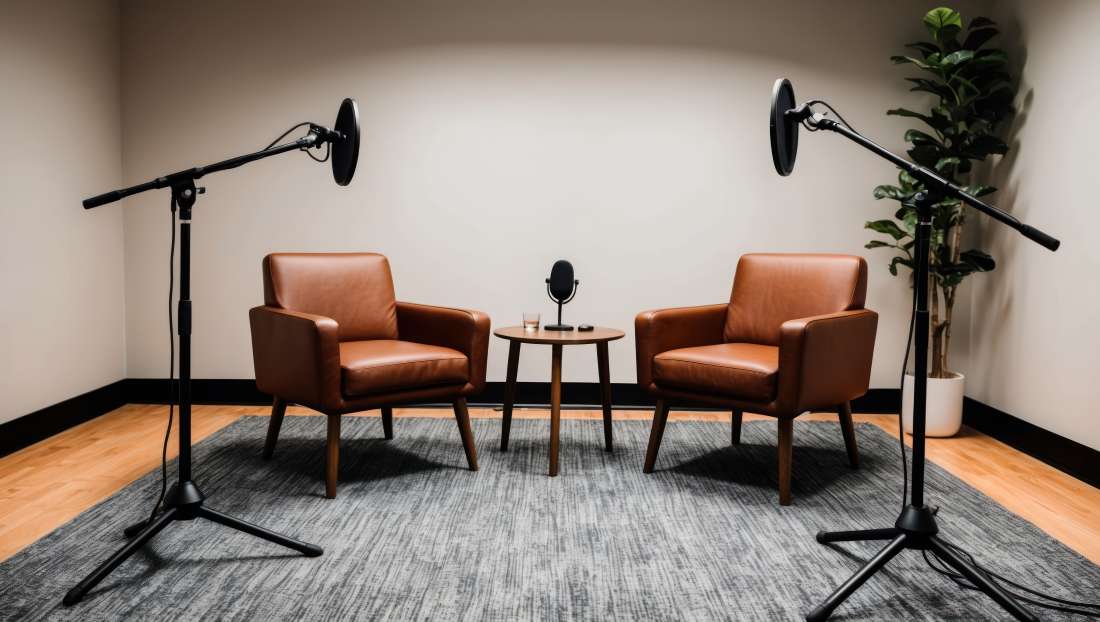
If you’re not in a position to build that environment from scratch, starting in a professional studio removes that variable entirely. You walk in, everything is set up, and you focus on delivering the content you’ve planned.
Trying to Start Perfectly Instead of Starting Smart
Finally, there’s the failure mode no one likes to talk about: the video that never gets made because the creator kept waiting for the perfect moment.
The gear isn’t ready. The lighting isn’t right. The script needs one more revision. The backdrop isn’t set up properly. Sound familiar?
Done is almost always better than perfect when you’re starting out. The first ten videos you make will teach you more than any amount of planning, gear research, or theory. The creators who grow on YouTube are the ones who figure it out in public, improve with each upload, and don’t let the pursuit of ideal conditions become an excuse to never actually publish.
That said, fixing your environment and planning approach properly from the start is different from chasing perfection. One saves you from rework; the other is just procrastination in disguise.
Get the Pre-Production Right, Then Hit Record
YouTube isn’t won at the editing stage. It’s rarely won at the recording stage. It’s won in the thinking that happens before any of that — the idea, the hook, the structure, the niche, and the environment you choose to create in.
If you’re ready to record and want a studio space that handles the environment side for you, ShootOnRent’s video and content studios in Bangalore are set up exactly for this. Professional lighting, clean backdrops, good acoustics, and everything ready the moment you walk in — so you can focus on the part that actually matters: making content worth watching.
Sajil is a content and creative industry professional with expertise in video production, photography, podcasting, and content creation. With practical knowledge of studio production and creative workflows, Sajil shares useful insights to help creators and businesses make informed decisions.