Radio has a way of pulling people in that few other mediums match. There’s something about a familiar voice, a curated playlist, or a live conversation that makes listeners feel like they’re part of something happening right now. If you’ve ever thought, “I’d love to run my own station,” the idea is far more achievable today than it used to be.
Here’s a clear, practical walkthrough of what it actually takes to start a radio station in 2026, from choosing the right format to setting up your studio.
Step 1: Decide What Kind of Radio Station You Want
Before anything else, you need to pick your broadcast route, because it determines your budget, your legal requirements, and how much equipment you’ll need.
Internet (Online) Radio
This is by far the most accessible option. You stream your station over the internet instead of broadcasting on airwaves, which means no government license is required to get started, and your potential audience isn’t limited to a city or region. All you really need is a computer, an internet connection, decent recording gear, and streaming software.
Community Radio
Community radio stations are non-commercial and typically run by NGOs, educational institutions, or local community groups. In India, this route requires applying to the Ministry of Information and Broadcasting, along with frequency allocation from the Wireless Planning and Coordination Wing. It’s a more involved process, but it gives you a dedicated FM frequency and a loyal local audience.
Commercial FM Radio
This is the big leagues. A full-fledged commercial FM station involves bidding in government auctions, securing a broadcast frequency, and a significant capital investment that can run into several crores depending on the city and frequency. This route makes sense only if you’re building radio as a serious, large-scale business.
For most beginners, hobbyists, and creators, starting online and growing from there is the smartest and most cost-effective path.
Step 2: Define Your Concept and Audience
Before you touch any equipment, get clear on:
- What will you talk about or play? Music genre, talk shows, news, niche interests, local language content, motivational programming, and so on.
- Who are you broadcasting to? A local community, a niche fanbase, students, or a global audience.
- What makes your station different? With thousands of online stations already out there, a clear identity helps you stand out and keeps listeners coming back.
Spend time researching existing stations in your space, both online and traditional, to see what’s working and where there’s a gap you can fill.
Step 3: Handle the Legal and Licensing Side
- Online radio generally doesn’t require a broadcasting license in India, though you should be mindful of music copyright. If you plan to play commercial music, you’ll need the right licensing through music rights organizations rather than just streaming songs without permission.
- Community radio requires a formal application, government approval, and frequency allotment, which can take time.
- Commercial FM requires participating in official auctions run by the Ministry of Information and Broadcasting.
Getting this step right early saves you from takedown notices or legal trouble later, especially if you plan to monetize your station.
Step 4: Choose Your Equipment and Software
Your equipment needs scale with your ambition, but a solid starting setup usually includes:
- A good quality microphone with a pop filter to avoid harsh sounds
- An audio interface or mixer to manage sound levels and inputs
- Headphones for monitoring while recording or going live
- A reliable computer with enough processing power for streaming software
- Streaming/broadcast software such as an Auto DJ or cloud-based radio automation tool to manage your playlists and live segments
- A stable internet connection if you’re going the online radio route
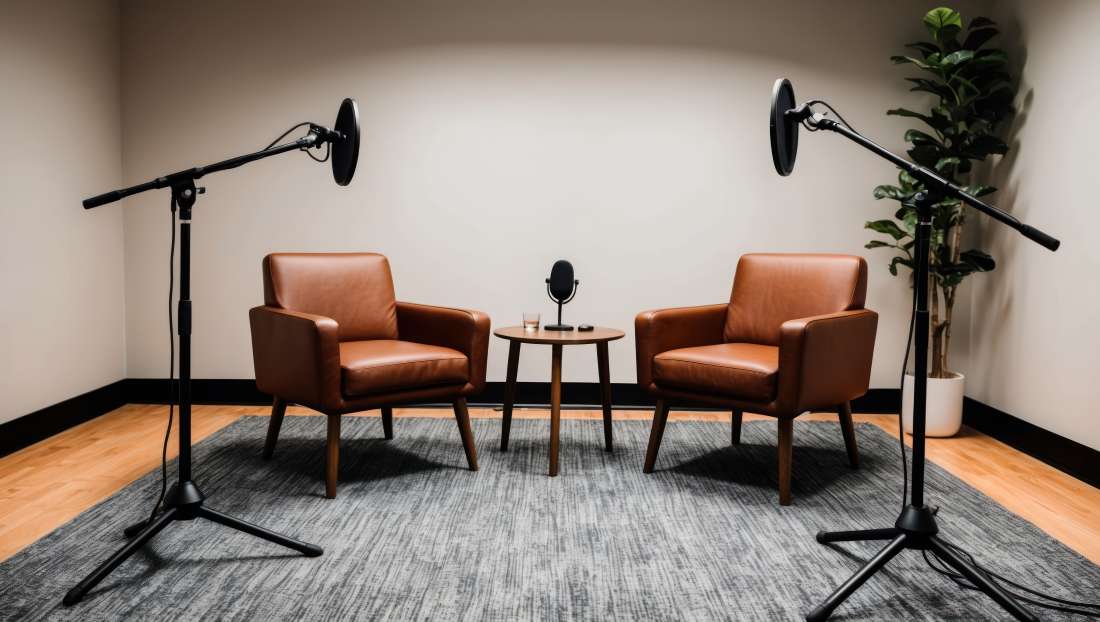
If you’re planning to bring in co-hosts, guests, or run interview-style segments, a multi-mic setup and a properly treated room for sound become just as important as the gear itself.
Step 5: Set Up a Proper Studio Space
This is the step a lot of beginners underestimate. Recording in a noisy, untreated room leads to echo, background noise, and an amateur sound that turns listeners away fast, no matter how good your content is.
If you don’t want to invest in building a soundproofed space from scratch, renting a professional studio is a smart way to test your concept first. A good studio gives you:
- Acoustic treatment so your voice sounds clean and broadcast-ready
- Professional microphones, mixers, and lighting if you’re also recording video alongside audio
- A distraction-free environment to record consistently
If you’re based in Bangalore and want to try recording a pilot episode or test your on-air format before committing to your own setup, ShootOnRent’s podcast studio comes with a plug-and-play setup, professional mics, and a sound-friendly space, so you can focus on content instead of technical hiccups.
Step 6: Plan Your Content and Build a Schedule
Listeners stick around for consistency. Decide on:
- A regular broadcast or release schedule
- A content calendar covering shows, segments, and guest slots
- A mix of live and pre-recorded content, since not everything needs to be live to feel current
Step 7: Promote Your Station and Grow Your Audience
Once you’re live, getting discovered is the real challenge. A few approaches that consistently work:
- Share clips and highlights on social media to hook new listeners
- Build an app or simple website where people can tune in easily
- Collaborate with other creators, guests, or local influencers to expand your reach
- Engage directly with your audience through comments, polls, and listener shoutouts
Final Thoughts
Starting a radio station isn’t the massive, capital-heavy project it once was. With an online-first approach, the right equipment, and a clear concept, you can be broadcasting within weeks rather than years. The part that genuinely makes a difference between a station that sounds amateur and one that sounds professional almost always comes down to audio quality, which is exactly why a well-treated studio space is worth getting right from day one.
If you’re in Bangalore and ready to record your first episode, book a studio session and see how much smoother your launch feels with the right setup behind you.
Sajil is a content and creative industry professional with expertise in video production, photography, podcasting, and content creation. With practical knowledge of studio production and creative workflows, Sajil shares useful insights to help creators and businesses make informed decisions.